 Mauricio Junior

Where else can I save my money better than in a bank savings account?
Better than savings account
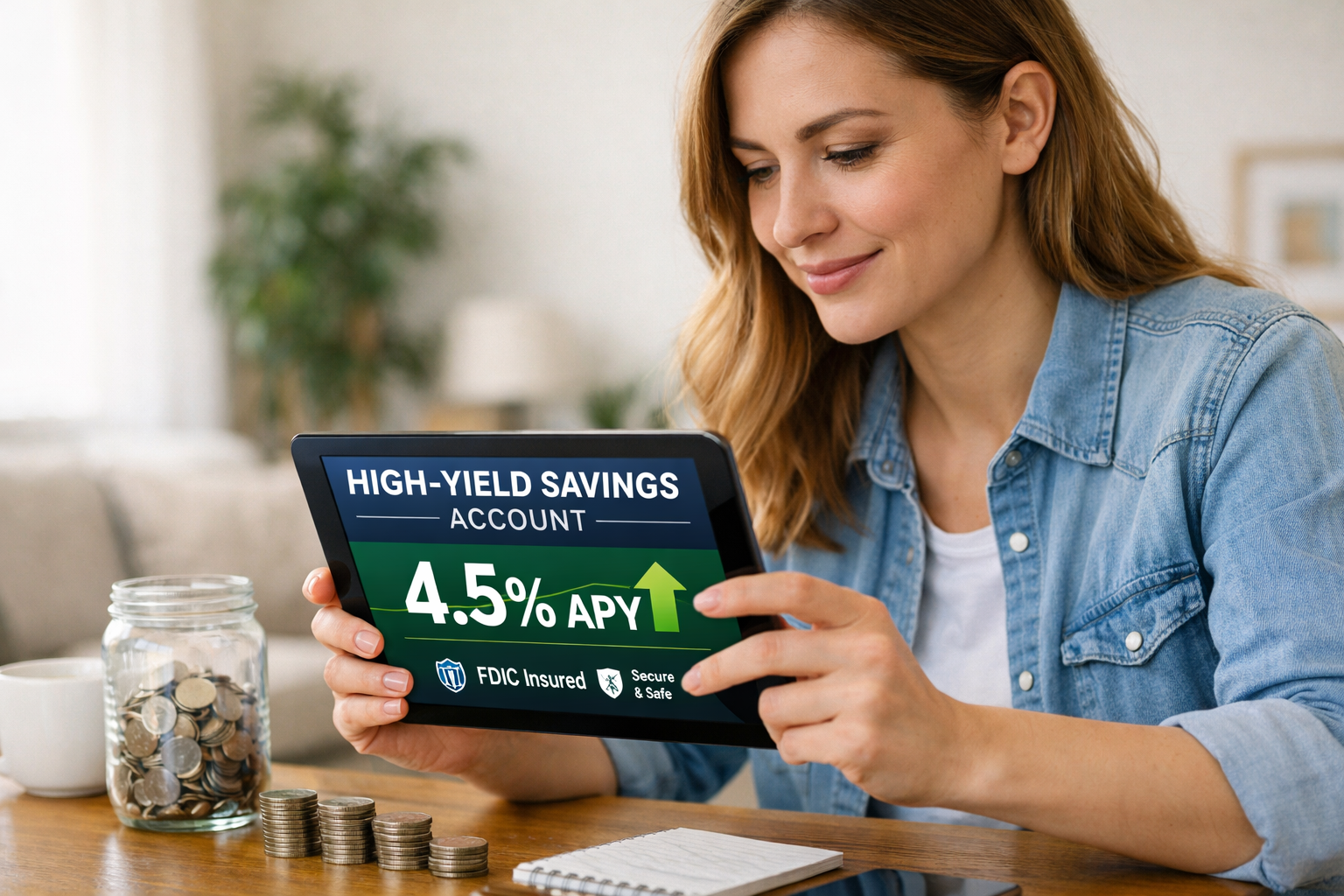
If you’re looking to save your money somewhere that earns more than a typical bank savings account, there are several alternatives — each with different risk, accessibility, and return characteristics. Traditional savings accounts often pay very little interest, so exploring other options can help your money grow faster.(Kiplinger)
Safer, Higher-Yield Cash Options (Low Risk)
These choices keep your money relatively safe while earning more interest than a basic savings account:
1. High-Yield Savings Accounts
- Many online banks offer higher interest rates (often 3–5% APY or more) compared with traditional savings accounts.
- They’re still FDIC-insured (up to $250,000 per depositor per bank), so your principal is safe.
- Good for emergency funds or short-term savings.(Bankrate)
Example: Online banks often have better rates than branch banks because they have lower overhead costs.(Smart Money Reverse)
2. Money Market Accounts (MMAs)
- Similar to savings accounts but typically pay higher interest and offer check/debit card access.
- Also FDIC-insured if held at a bank or credit union.
- Slightly higher minimum balance requirements.(Bankrate)
3. Certificates of Deposit (CDs)
- CDs lock your money in for a set period (e.g., 6 months to 5 years) in exchange for a higher fixed interest rate.
- The longer the term, generally the better the rate.
- Early withdrawals usually incur penalties, so these are best for money you won’t need soon.(Bankrate)
4. Treasury Securities (T-Bills, T-Notes)
- Issued by the U.S. government, these often pay more than bank savings and are very low risk.
- Can be short-term (T-bills) or longer (notes).
- Interest may be exempt from state and local taxes.(Bankrate)
Slightly More Risk, Potentially Better Returns
These options involve a bit more risk or complexity, but historically have delivered better long-term growth:
5. Money Market Mutual Funds
- These funds invest in safe, short-term debt instruments (like government or corporate bills).
- They often yield higher returns than bank savings, but they aren’t FDIC-insured (value can fluctuate slightly).(Kiplinger)
6. Brokerage Cash Management / Short-Term Bond Funds
- Cash management accounts or short-term bond ETFs can offer competitive yields (sometimes linked to market interest rates).
- These can be held in a brokerage account and still be liquid, but they come with market risk (your balance can fluctuate).(Reddit)
Tips for Choosing What’s Right
- Keep an emergency fund (3–6 months) in something very liquid like a high-yield savings or money market account.(AP News)
- Don’t put money you might need soon into long-term locks (like long CDs or bonds).
- Compare interest rates and features (minimum balance, fees, withdrawal limits) before choosing.
- If you want significant long-term growth, consider investing in diversified stock or bond funds — but that’s different from “saving” and involves more risk.(chase.com)
Related articles

Unlock Your Financial Future: A Deep Dive Into the Easy2Invest Investment Calculator
easy2invest.org, calculator for free

The five lives of the human
Do you know that?

Investing in gold can be good?
Read and see the real scenario